The 105k Milestone: Protecting Your Subaru’s Future with Specialized Maintenance
The 105k Milestone: Protecting Your Subaru’s Future with Specialized Maintenance
If you drive a Subaru, you already know these vehicles are built differently. They are engineered with a boxer engine layout, symmetrical all-wheel drive, and a reputation for lasting well beyond 200,000 miles when properly maintained. But reaching that kind of longevity does not happen by accident. It takes consistent attention, the right parts, and a shop that understands the specific demands of Japanese import vehicles. Nowhere is this more true than at the 105,000-mile mark, which represents one of the most critical service intervals in any Subaru ownership journey.
Whether you drive a Forester, Outback, Legacy, or Impreza, the 105k milestone is your vehicle calling out for serious attention. If you are in Sonoma County and searching for reliable Subaru repair in Santa Rosa, understanding what this service interval involves can help you make smarter decisions about your investment.
Why the 105k Service Interval Is So Important
Most Subaru owners are familiar with routine oil changes and tire rotations, but the 105,000-mile service goes far deeper. This interval is where several major maintenance items converge, making it one of the most comprehensive and consequential visits your vehicle will ever need. Ignoring it does not just risk a breakdown. It risks catastrophic engine damage that can cost several times more than the service itself.
The centerpiece of the 105k service is timing belt replacement. Subaru models equipped with a timing belt rely on this component to synchronize the crankshaft and camshaft rotation, keeping the engine’s internal parts moving in perfect harmony. If that belt fails while the engine is running, the results can be devastating. On interference engines, which includes many Subaru models, a snapped belt can cause the pistons and valves to collide, resulting in severe internal damage. Replacing the timing belt before it fails is not just routine maintenance; it is essential protection for your engine.
What a Complete Timing Belt Service Really Includes
A proper timing belt replacement is more than just swapping out the belt itself. When a skilled technician opens up that section of the engine, it makes sense to address every related component while everything is already accessible. This is where experience and thoroughness truly matter.
A complete timing belt service on a Subaru typically includes replacing the water pump, tensioner, idler pulleys, and cam and crank seals. The water pump is driven by the timing belt on most Subaru engines, so replacing it at the same time is a smart decision. If the water pump fails shortly after a timing belt replacement, you would need to tear down the same area of the engine all over again. Doing both at once saves significant labor costs down the road and ensures the entire system is refreshed simultaneously.
Choosing OEM parts auto repair in Santa Rosa matters here more than at almost any other service interval. Original equipment manufacturer parts are designed to meet the exact tolerances and specifications of your Subaru’s engine. Aftermarket timing components can vary widely in quality, and the consequences of a premature failure in this area are simply too serious to risk on inferior parts.
How Import Auto Maintenance Differs from Domestic Repair
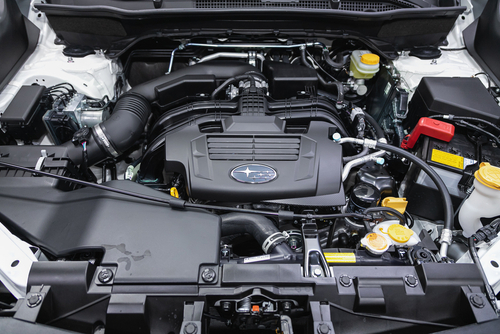
Not every repair shop is equipped to handle the specific needs of Japanese import vehicles. Subaru’s unique horizontally opposed engine, sometimes called a “flat” or “boxer” engine, presents challenges that technicians trained primarily on domestic vehicles may not be fully prepared for. The engine layout, AWD system, and proprietary diagnostic requirements mean that experience with import auto maintenance in Sonoma County is a genuine advantage.
Subaru vehicles also use specific fluids, gaskets, and sealing compounds that differ from what you would find on a Ford or Chevrolet. Using the wrong materials during a repair can lead to leaks, premature wear, or even more serious issues. A shop with dedicated experience in Subaru and Japanese import service will stock the right materials and follow the procedures that Subaru’s engineers actually intended.
Beyond technical expertise, familiarity with Subaru-specific failure patterns is invaluable. A knowledgeable technician will know to inspect the head gaskets during a 105k service, since certain Subaru engines have a known history with this component. Catching a developing head gasket issue early can mean the difference between an affordable repair and a full engine rebuild.
The Bigger Picture: 30/60/90k Factory Scheduled Service
The 105k service does not exist in isolation. It is part of a larger framework of 30/60/90k factory scheduled service intervals that Subaru has developed to keep your vehicle running reliably throughout its life. Each of these intervals addresses specific components based on their expected wear cycles, and skipping or delaying them creates a compounding effect where small issues grow into larger, more expensive problems.
At the 30k service, the focus is on inspecting and replacing items like air filters, cabin filters, and spark plugs, along with checking fluid levels and brake condition. The 60k interval goes deeper, often including transmission fluid, differential fluid, brake fluid, and a more thorough inspection of belts and hoses. By the time you reach 90k, you are looking at a comprehensive check of nearly every major system, setting the stage for the intensive 105k timing belt service that follows.
Staying current with these intervals is one of the most straightforward ways to protect your vehicle’s long-term value and avoid unexpected repair bills. A Subaru that has been consistently serviced according to the factory schedule is also a more attractive vehicle if you ever decide to sell or trade it in.
Finding the Right Shop for Subaru Repair in Santa Rosa
Not all auto repair shops are created equal, and this is especially true when it comes to specialized import vehicles. When you are looking for Subaru repair in Santa Rosa or anywhere in Sonoma County, there are a few key things worth evaluating before you hand over your keys.
Look for a shop with technicians who have direct experience with Subaru vehicles and Japanese imports in general. Ask whether they use OEM or factory-equivalent parts for major services like timing belt replacement. Find out whether they follow the manufacturer’s recommended service procedures or take shortcuts that can compromise the quality of the work.
A trustworthy shop will be transparent about what the service involves, what parts are being used, and why each component is being addressed. They will also provide documentation of the work completed, which is valuable for your own records and for demonstrating a solid service history to future buyers.
Price is always a consideration, but with timing belt replacement and other major services, it is important to weigh cost against quality. A lower price that involves cheaper parts or less experienced labor is rarely a good deal when the stakes involve your engine’s survival. Investing in quality import auto maintenance now protects you from far greater expenses later.
Conclusion
The 105,000-mile service interval is a defining moment in your Subaru’s life. Timing belt replacement, combined with a thorough approach to import auto maintenance in Sonoma County, gives your vehicle the foundation it needs to keep going strong. By staying committed to 30/60/90k factory scheduled service and choosing a shop that prioritizes OEM parts auto repair in Santa Rosa, you are making a decision that pays off in reliability, safety, and long-term value. Your Subaru was built to last; give it the care that makes that possible.
Book your next tune-up with FLI today and experience the difference of premium-quality service!