

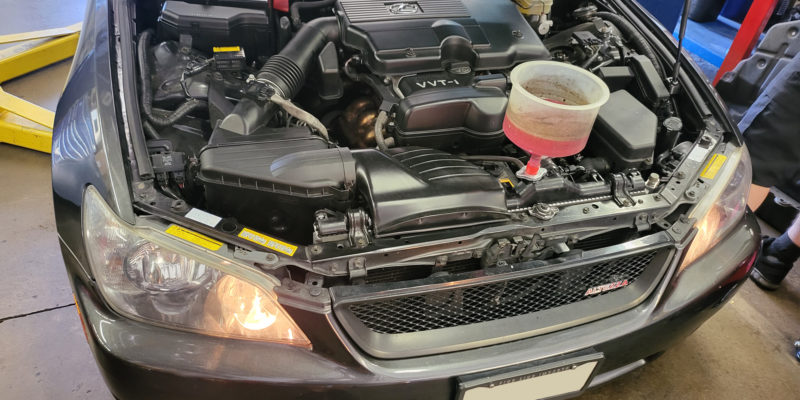
Springtime Maintenance Tips for Your Japanese Import: Prepare for the Road Ahead
Springtime Maintenance Tips for Your Japanese Import: Prepare for the Road Ahead
Spring marks the end of harsh winter conditions and the beginning of warm, pleasant drives. For owners of Japanese import cars, this seasonal transition is the perfect opportunity to give your vehicle the attention it deserves. Japanese cars are known for their reliability, efficiency, and precision engineering, but like any vehicle, they require consistent care to perform at their best. Whether you drive a Toyota, Honda, Subaru, or Nissan, spring care plays a crucial role in ensuring that your car is ready for the road ahead.
From thorough cleaning to mechanical checks, preparing your car in the spring not only helps prevent wear and tear but also extends its lifespan. By following a thoughtful spring vehicle checklist, you can address issues that may have emerged during winter and set your car up for success in the months to come. Below are some in-depth Japanese car maintenance tips tailored to keep your import car in excellent shape this spring.
Clean Off the Winter Residue
One of the first steps in spring care for your import car is to thoroughly clean the exterior and undercarriage. Winter roads often mean exposure to road salt, sand, and moisture, all of which can contribute to corrosion. While Japanese vehicles tend to have good rust resistance, they’re not immune to prolonged exposure to salt and grime.
A proper cleaning includes washing the car from top to bottom, paying special attention to wheel wells, the underside, and around the doors where moisture can get trapped. Using a high-pressure hose is especially effective for flushing out salt deposits. Once clean, applying a quality wax or ceramic coating helps protect the paint from pollen, UV rays, and other environmental contaminants.
Cleaning the interior is just as important. Vacuum the carpets to remove salt and dirt, clean the dashboard and console surfaces, and consider using antibacterial wipes to refresh your steering wheel, gear shifter, and other high-contact areas. If your car has leather seats, use a dedicated conditioner to prevent drying and cracking as temperatures rise.
Inspect the Tires and Brakes
Winter driving can take a toll on tires and braking components, especially if you’ve been navigating icy or snow-covered roads. Begin your tire inspection by checking tread depth. Japanese import cars often have performance tires that wear faster, so it’s important to ensure there’s enough tread for safe driving. Uneven wear may also indicate alignment or suspension issues, which should be addressed promptly.
Check tire pressure as well, since cold temperatures cause air to contract. Spring temperatures can cause tire pressure to rise, so adjust accordingly to your manufacturer’s specifications. Don’t forget to inspect your spare tire if your model includes one.
Brake systems also deserve close attention during your spring vehicle checklist. Listen for any squealing or grinding noises when braking, and be aware of any pulsation or reduced stopping power. These could be signs of worn brake pads or warped rotors. Have a professional technician examine your braking system to ensure that everything is functioning properly and replace any components as needed. Japanese car maintenance often emphasizes preventative care, and spring is an ideal time to stay ahead of wear-related issues.
Change Fluids and Filters
Fluid maintenance is essential in preserving the performance and longevity of your Japanese import car. Over the winter months, engine oil can become thick and contaminated, which may affect fuel efficiency and engine health. Even if you’re not due for an oil change by mileage, a fresh oil and filter replacement can help maintain optimal engine performance as the weather warms.
Check your coolant levels and quality to ensure the system can handle warmer temperatures. While Japanese vehicles are engineered with efficient cooling systems, a low or degraded coolant can lead to overheating. Spring is also a good time to flush and refill other critical fluids such as brake fluid, transmission fluid, and windshield washer fluid. These systems all play a role in the vehicle’s overall performance and safety.
Cabin and engine air filters should also be examined. Winter driving in urban environments can lead to dirty air filters that reduce airflow and air quality inside the vehicle. Replacing these filters can improve fuel economy, cabin comfort, and even engine responsiveness.
Examine Suspension and Alignment
After enduring winter potholes and uneven surfaces, your suspension system may be in need of attention. A smooth and stable ride is especially important for Japanese import vehicles that often feature finely tuned suspensions. If you notice your car pulling to one side, bouncing excessively over bumps, or if the steering feels loose, it could signal worn shocks, struts, or alignment issues.
Having your suspension system inspected in the spring ensures that your ride remains safe and comfortable. Misaligned wheels not only affect handling but also contribute to uneven tire wear, which can shorten the lifespan of your tires. Correcting alignment issues early helps maintain your vehicle’s performance and efficiency.
In many cases, signs of suspension trouble are subtle and develop gradually. Regular seasonal checks, particularly after winter, give you a chance to identify and resolve problems before they evolve into costly repairs. Prioritizing this part of your Japanese car maintenance routine helps preserve the smooth driving experience you expect from your import car.
Update Your Battery and Electrical Components
Cold temperatures are hard on car batteries, and by spring, many batteries are nearing the end of their charge capacity. If your Japanese import is slow to start, or if you’ve noticed dimming headlights or erratic electrical behavior, it’s time to test your battery. Spring is a good season to either recharge or replace your battery before the summer heat introduces new stress on electrical systems.
Check for corrosion around the battery terminals and ensure all connections are secure. It’s also wise to inspect other key electrical components like fuses, relays, and lighting systems. Verify that your headlights, brake lights, turn signals, and interior lights are all functioning correctly.
Japanese vehicles often include sophisticated electronic systems for navigation, safety, and infotainment. Ensure your software is up to date if your car includes a digital interface. Some manufacturers offer updates via USB or over-the-air, and applying these updates can improve functionality, fix bugs, or enhance security.
Conclusion
Preparing your Japanese import for the spring season is about more than just aesthetics or convenience. It’s an essential part of owning a vehicle that reflects precision, quality, and performance. By investing time into a detailed spring vehicle checklist, you safeguard the long-term health of your import car and enjoy peace of mind on the road.
From cleaning off corrosive winter residue to checking your tires, brakes, fluids, and suspension, every step you take contributes to smoother, safer driving. Japanese car maintenance isn’t complicated, but it is proactive. Seasonal maintenance routines ensure that your car continues to deliver the efficiency, reliability, and joy that drew you to a Japanese import in the first place.
Spring is a season of renewal, and your vehicle deserves that same fresh start. With the right attention and care, your import car will be ready to take on new journeys with confidence and performance intact.
Book your next tune-up with FLI today and experience the difference of premium-quality service!