

Maintenance Guide: Keeping Your Subaru Running Like New
Maintenance Guide: Keeping Your Subaru Running Like New
Subaru vehicles are known for their durability, all-wheel-drive capabilities, and adventure-ready design. Whether you drive a rugged Outback, a sporty WRX, or a versatile Forester, your Subaru is built to go the distance. However, even the most reliable cars need regular attention to stay in peak condition. With proper Subaru maintenance tips and a proactive approach to car care strategies, you can extend your vehicle’s performance, safety, and resale value for years to come.
The Importance of Routine Maintenance
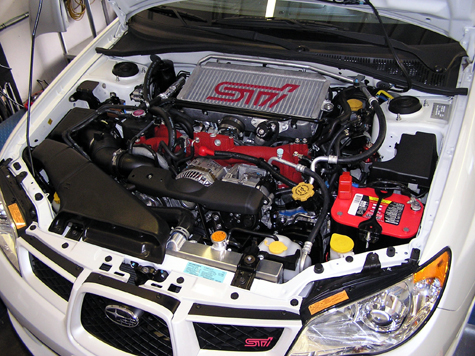
Routine maintenance is the backbone of vehicle longevity. It’s not just about avoiding costly repairs but about preserving the integrity of your Subaru’s engineering. The unique boxer engine and symmetrical all-wheel-drive system require specific upkeep that shouldn’t be ignored.
Every car has a maintenance schedule, and Subaru’s is designed to maximize performance while reducing the risk of breakdowns. Oil changes, fluid flushes, brake inspections, and tire rotations are all small steps that add up to significant benefits over time. Ignoring these services can lead to wear and tear on vital components, compromising not only the driving experience but also your vehicle’s long-term reliability.
Following the manufacturer’s maintenance schedule found in your owner’s manual is essential. For most Subaru models, basic services are recommended every 6,000 miles or six months, whichever comes first. More intensive services, such as transmission fluid changes or timing belt inspections, are spaced out over longer intervals but are no less critical.
Oil Changes: The Foundation of Engine Health
Among the most vital Subaru maintenance tips is the consistent replacement of engine oil. Subaru engines, particularly turbocharged variants, are precision-built and demand clean, high-quality oil to lubricate and cool internal components. Over time, oil breaks down, collects debris, and loses its effectiveness, which can result in internal engine damage if left unchecked.
Subaru recommends synthetic oil for most of its newer models. Depending on your driving habits and environmental conditions, you may need to change the oil every 5,000 to 7,500 miles. Driving in extreme temperatures, frequent towing, or stop-and-go traffic can necessitate more frequent changes.
When changing the oil, also check the oil filter and replace it as needed. Dirty filters can restrict oil flow and reduce the efficiency of your engine. It’s a simple and inexpensive procedure that plays a crucial role in ensuring engine longevity and performance. Neglecting oil maintenance is one of the fastest ways to shorten your vehicle’s lifespan.
Tire Maintenance: Staying Safe and Efficient
Tires are your Subaru’s only contact with the road, and their condition directly affects handling, fuel efficiency, and safety. One of the most commonly overlooked car care strategies is maintaining optimal tire pressure and monitoring tread wear.
Subaru’s symmetrical all-wheel-drive system relies on equal tire circumference on all four wheels. Uneven wear or improper inflation can stress the drivetrain, leading to costly repairs. That’s why it’s essential to rotate your tires every 6,000 to 8,000 miles. Regular rotation ensures even tread wear, enhances traction, and maximizes tire life.
Tire pressure should be checked at least once a month and always before long road trips. Under-inflated tires reduce fuel efficiency and increase the risk of blowouts, while over-inflated tires compromise handling. Your owner’s manual and the label inside the driver’s door will provide the correct PSI.
Additionally, inspect tires for punctures, bulges, or cracking. Replacing worn tires before they become dangerous is an investment in your Subaru’s performance and your personal safety.
Keeping the Cooling and Brake Systems in Top Shape
Two critical systems that deserve close attention are the cooling system and the brakes. Both contribute to vehicle longevity and your driving experience. Overheating engines and brake failures are preventable issues with regular maintenance.
The cooling system regulates engine temperature and prevents overheating. Subaru uses a specialized coolant that must be replaced at manufacturer-specified intervals. Low coolant levels or contaminated fluid can lead to engine overheating and severe internal damage. It’s advisable to inspect hoses, the radiator, and the water pump for signs of leakage or corrosion.
Your brake system is equally vital. Subaru’s high-performance vehicles and rugged models both demand responsive, dependable braking. Brake pads, rotors, and fluid should be inspected during every service visit. Worn pads or warped rotors reduce braking efficiency and can lead to accidents. Brake fluid, which absorbs moisture over time, should be flushed periodically to prevent corrosion in the hydraulic system.
Listening to your car can be a helpful indicator. Unusual noises, such as grinding or squealing when braking, should be addressed immediately. The longer you wait, the more damage may occur, raising both the cost and the risk.
Protecting the Interior and Exterior for Resale Value
While mechanical health is essential, appearance matters too. A well-maintained Subaru inside and out will not only be more enjoyable to drive but will also fetch a higher resale price when it’s time to upgrade.
For the exterior, washing your Subaru regularly removes road grime, salt, and debris that can corrode paint and metal. Waxing a few times a year provides a protective barrier that guards against UV damage and oxidation. If you live in a snowy climate, pay extra attention to the undercarriage during winter months to prevent salt buildup that accelerates rust.
Inside the vehicle, keeping surfaces clean prevents stains and deterioration. Vacuum carpets and seats regularly, wipe down dashboards and controls, and use sunshades to protect against cracking and fading from prolonged sun exposure. Using quality floor mats and seat covers can help preserve the interior against spills, wear, and pet damage.
Regular detailing may seem cosmetic, but it reinforces overall car care strategies by encouraging a closer look at your vehicle. You may catch problems early, such as windshield chips, seat tears, or trim issues that can be repaired affordably before becoming major concerns.
Conclusion
Keeping your Subaru running like new isn’t a mystery, but a commitment to consistency. With a foundation built on proven Subaru maintenance tips, smart car care strategies, and attention to every system from tires to coolant, you can extend the life and value of your vehicle for the long haul.
Every mile you drive is influenced by how well you maintain the intricate systems working under the hood and around the cabin. Vehicle longevity is not just about reaching a high odometer reading, but about retaining the smooth, responsive performance that made you fall in love with your Subaru in the first place.
Caring for your Subaru means embracing a proactive mindset and respecting the engineering that makes it unique. With regular service, timely inspections, and a watchful eye for detail, you can ensure that your car remains your reliable companion on every road, trail, and adventure ahead.
Book your next tune-up with FLI today and experience the difference of premium-quality service!