

How Toyota Tuning Enhances Car Longevity
How Toyota Tuning Enhances Car Longevity
When most people think of tuning a vehicle, they imagine enhancements made for speed, handling, or appearance. While these are certainly part of the equation, performance tuning offers another crucial benefit: increased durability and lifespan of the vehicle. Toyota, a brand renowned for its reliability, provides an ideal canvas for tuning efforts aimed at maximizing operational life. Understanding how Toyota tuning enhances car longevity means going beyond cosmetic upgrades and into a realm where precision engineering and mechanical optimization come together for long-term benefit.
Longevity through tuning is not a mere marketing buzzword; it is a practical strategy that aligns engineering improvements with daily usability. Whether it’s a Corolla, Camry, or 4Runner, tuning a Toyota properly can lead to better performance, reduced wear, and ultimately, a longer and healthier vehicle lifespan.
Optimizing Engine Efficiency for Long-Term Gains
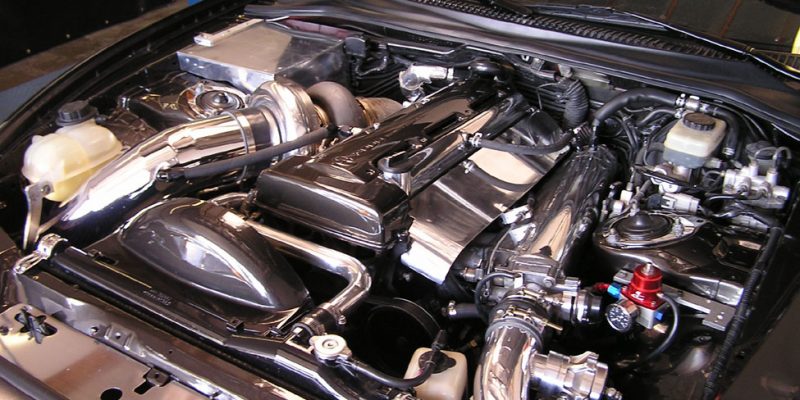
One of the most profound ways Toyota tuning enhances car longevity is through engine optimization. Factory settings are designed for a balance between performance, fuel efficiency, and emissions. However, these parameters are often generalized for broad market applicability. Tuning allows for fine-tuning of fuel injection, ignition timing, and air-fuel ratio. These modifications make the engine operate at its most efficient state based on the driver’s environment and driving habits.
Efficient engine operation results in lower internal temperatures, reduced component stress, and better fuel economy. These factors collectively reduce engine wear over time. When an engine is not straining to compensate for generic factory settings, it experiences less friction and heat accumulation. That reduced thermal load directly supports Toyota car longevity.
Tuning also offers the opportunity to improve cold start performance and throttle response, which can prevent the engine from operating under inefficient conditions. These enhancements result in smoother transitions and reduced mechanical stress, thereby decreasing the likelihood of premature engine failure.
Transmission Tuning to Reduce Component Wear
Beyond the engine, the transmission system is another area where tuning plays a significant role in promoting vehicle durability. Toyota’s automatic and continuously variable transmissions are designed to cater to diverse driving styles. However, custom tuning can make gear shifts more precise, smoother, and better suited to the vehicle’s use case.
Performance tuning benefits in this context include modifying shift points, adjusting line pressure, and recalibrating torque converter lockup schedules. These adjustments help the transmission deliver power more effectively and reduce unnecessary gear hunting or slippage, both of which are detrimental to long-term health.
By reducing abrupt or delayed gear shifts, transmission tuning significantly decreases the mechanical shock that can erode components over time. This results in lower maintenance costs, fewer replacements, and extended operational life. For Toyota owners who keep their vehicles for years, this type of tuning contributes meaningfully to longevity through tuning strategies.
Suspension and Handling Improvements That Preserve Structural Integrity
While it may seem unrelated to mechanical durability, suspension tuning has a direct impact on how other components age. A poorly tuned suspension system can lead to excessive vibrations and uneven load distribution across the vehicle’s frame and drivetrain. Over time, this can accelerate wear on parts like bushings, control arms, and even the chassis itself.
Toyota tuning for suspension components can involve upgrading shocks, adjusting ride height, recalibrating spring rates, and optimizing damping characteristics. These changes improve road handling while minimizing jarring impacts. A vehicle that absorbs bumps smoothly is less likely to suffer from rattling interiors, misaligned frames, or damaged undercarriage elements.
In practical terms, this means that a tuned Toyota will not only ride better but will also retain its structural integrity longer. This is especially beneficial for Toyota models used in rugged environments, such as the Tacoma or Land Cruiser. The smoother and more predictable the ride, the less strain there is on the overall vehicle, thereby supporting Toyota car longevity.
ECU Remapping for Intelligent Resource Management
Electronic Control Unit (ECU) remapping is at the core of most modern tuning strategies. This process involves altering the vehicle’s onboard software to enhance various performance metrics. For Toyotas, ECU remapping can improve everything from torque curves to turbo boost levels, often resulting in not only better driving dynamics but also smarter energy use.
A remapped ECU can ensure that fuel is used more precisely, emissions are controlled more effectively, and performance is tailored to the vehicle’s operating environment. This reduces unnecessary output, which in turn minimizes engine stress and fuel consumption. Since the ECU manages so many critical systems, an optimized map ensures they operate in harmony rather than opposition.
One of the less obvious performance tuning benefits of ECU remapping is predictive control. Sophisticated remaps can even adjust how a Toyota responds to altitude, temperature changes, and different types of fuel. This proactive management reduces the likelihood of errors, misfires, or excessive wear due to suboptimal conditions. In effect, it turns the car into a more intelligent and self-preserving machine.
The Role of Preventative Tuning in Maintenance Planning
Tuning is often viewed as a one-time upgrade, but in reality, it can be part of a proactive maintenance approach. Preventative tuning anticipates potential weaknesses in the vehicle’s systems and strengthens them before issues arise. This could include upgrading cooling systems, replacing factory exhaust setups with performance-oriented alternatives, or enhancing intake systems to improve airflow and reduce contaminants.
For Toyota owners who plan to keep their vehicles for extended periods, preventative tuning can be the difference between average and exceptional lifespan. Custom air filters, for instance, allow the engine to breathe better while preventing fine particles from causing damage. Upgraded cooling fans or intercoolers can maintain ideal temperatures, avoiding overheating even in high-demand scenarios.
This forward-looking approach ensures that the vehicle remains robust and efficient throughout its life cycle. It also makes long-term ownership more predictable, reducing the risk of sudden failures. By integrating tuning into the broader context of maintenance planning, Toyota drivers benefit from a vehicle that is not only optimized for performance but also built to last.
A Smarter Approach to Automotive Longevity
Tuning a Toyota is not merely an indulgence for enthusiasts. It is a deliberate and scientifically grounded approach to maximizing the lifespan and reliability of a vehicle. From engine and transmission enhancements to suspension refinement and ECU optimization, every aspect of tuning contributes to the holistic health of the car. The result is a vehicle that not only performs better but also withstands the test of time with greater resilience.
Toyota car longevity has always been a major selling point for the brand. By embracing the principles of longevity through tuning, owners can take that reliability to an entirely new level. Performance tuning benefits are not confined to speed and horsepower; they extend into reduced wear, improved safety, and lower total ownership costs. For those who see their car as a long-term investment rather than a temporary asset, tuning is a smart, future-proof choice.
Book your next tune-up with FLI today and experience the difference of premium-quality service!